The Rise of Biophilic Architecture in Bangalore: A Luxury Perspective
Bangalore, long celebrated as India’s "Garden City," has undergone a high-speed evolution into a global tech titan. Yet, as glass-and-steel skyscrapers reshaped the skyline, the city's lush heritage began to retreat. In response, a quiet revolution is redefining high-end real estate: Biophilic Architecture. Today’s luxury homebuyers in Bangalore are no longer satisfied with standard high-rise amenities or imported marble floors. Modern luxury is being recalibrated around wellness, air quality, natural light, and organic tranquility. Biophilic architecture—the practice of connecting humans with nature within the built environment—has evolved from a progressive design concept into the ultimate marker of residential prestige.
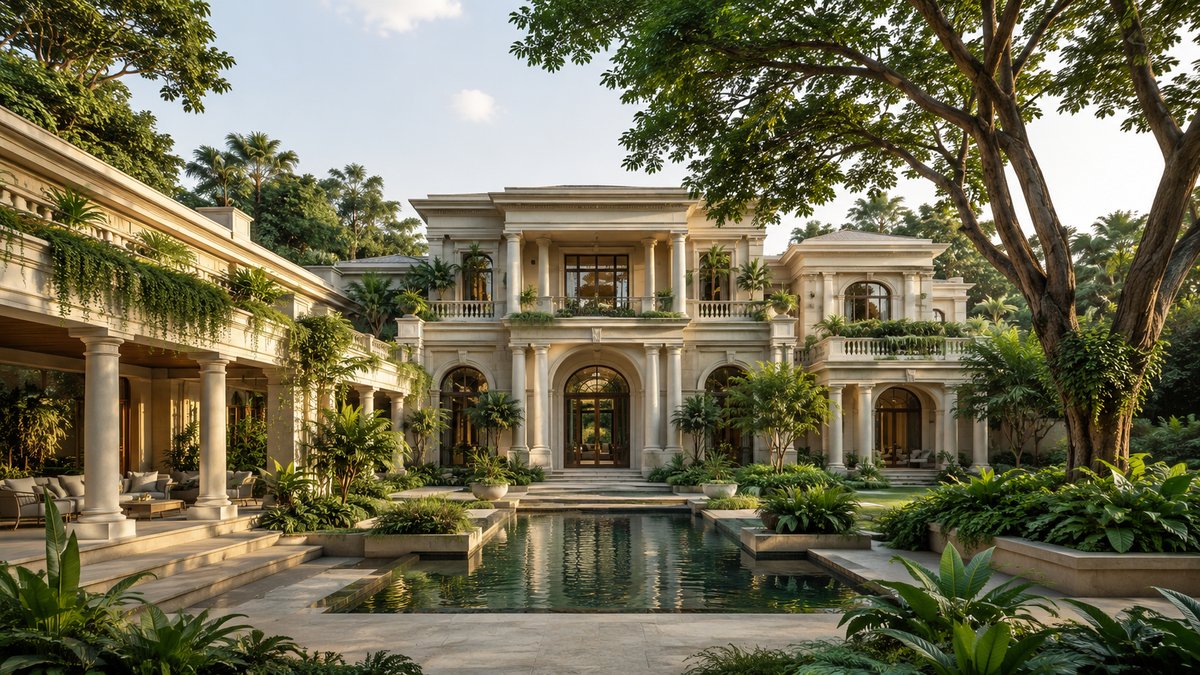
What is Biophilic Luxury? Biophilia, a term popularized by biologist E.O. Wilson, refers to humanity's innate biological link to the natural world. In luxury architecture, biophilic design isn't simply adding a few potted plants to a balcony or planting shrubs around a lobby.
It is the intentional integration of living ecosystems, natural forces, and raw textures directly into the framework of the structure.
When applied to multi-crore residences in prime enclaves like Indiranagar, Sadashivnagar, or North Bangalore, biophilic luxury manifests through three main pillars:
Direct Nature Exposure: Multi-tier vertical gardens, cascading terraces, sky forests, and indoor living walls that double as natural air-purifiers and thermal insulators.
Indirect Natural Analogues: Pervasive use of raw, organic materials like unpolished Kota stone, reclaimed teak, terracotta, and travertine marble.
Spatial Harmony & Microclimates: Modern adaptations of traditional South Indian Thotti Mane central courtyards, open light wells, and water features that capture cross-breezes and direct daylight.
Why Bangalore? The Catalyst for Nature-Centric Living The shift toward biophilic luxury in Bangalore is driven by a unique convergence of lifestyle, climate, and cultural factors:
1. A Direct Antidote to Urban Burnout As the tech capital of India, Bangalore houses high-earning, globally traveled professionals working in high-stress, screen-heavy environments. Home is no longer viewed merely as an address, but as a sanctuary for mental restoration. Integrating natural light, water elements, and foliage has been scientifically linked to reduced cortisol levels and improved cognitive focus.
2. Capitalizing on the Moderate Microclimate Unlike cities with extreme weather patterns, Bangalore’s moderate year-round temperature allows architects to design truly open, breathable spaces. Open-air pavilions, cantilevered garden balconies, and double-height light shafts thrive in this climate.
3. Reclaiming the "Garden City" Heritage There is a profound nostalgia among Bangalore’s affluent residents for the sprawling, green bungalows of old Bangalore. Biophilic high-rises and luxury villaments restore that connection to greenery without sacrificing vertical density, location, or modern security.
Key Design Elements in Ultra-Luxury Properties High-end developers and bespoke architects across the city are deploying specific strategies to seamlessly blend nature with high design:
Dynamic Daylighting: Strategic east-west orientations, recessed windows, skylights, and light shafts align residents' circadian rhythms while reducing artificial energy consumption.
Acoustic Water Features: Recirculating stone waterfalls, koi ponds, and trickling rills mask urban noise with calming soundscapes while cooling immediate ambient air.
Tactile Earth Materials: Unpolished stone, exposed clay bricks, raw granite, and reclaimed teak wood ground interior spaces with authentic organic textures over synthetic finishes.
Native Flora Systems: Landscaping with indigenous species like Jacaranda, Champa, and local ferns requires minimal water and attracts native bird species to private decks and balconies.
The Future of Living in the Garden City The rise of biophilic architecture marks a permanent shift in how residential prestige is defined. True wealth is no longer displayed through synthetic excess, but through access to pure air, abundant sunlight, quiet water, and rich natural greenery.
By blending modern structural engineering with nature-inspired design, Bangalore's luxury real estate sector is not just constructing homes—it is reclaiming the soul of the Garden City.